The Ultimate Guide to Selling Digital Products (e-books, Templates) Guide
The digital age has opened unprecedented doors for creators, experts, and innovators to transform their knowledge and skills into tangible, sellable assets. If you’ve ever dreamed of generating passive income, scaling your expertise, or simply sharing your unique insights with a global audience, then selling digital products like e-books and templates is your gateway. This isn’t just about making a quick buck; it’s about building a sustainable business around your passion, delivering immense value, and creating a legacy. But how do you navigate the journey from a brilliant idea to a thriving digital storefront? This ultimate guide is meticulously crafted to illuminate every step, ensuring your e-books and templates don’t just exist, but truly sell.
From Concept to Creation: Crafting Irresistible E-books and Templates for Sale
Before you can think about selling, you must first create something truly valuable. The success of your digital product hinges on its ability to solve a problem, entertain, educate, or simplify a process for your target audience. This foundational stage is where ideas are honed into marketable assets.
Pinpointing Your Niche and Audience’s Needs
Don’t create in a vacuum. The most successful e-books and templates emerge from a deep understanding of who you’re serving and what challenges they face. Research common pain points in your area of expertise. What questions do people frequently ask? What tasks do they struggle with? For instance, a graphic designer might notice small businesses need branding guidance, leading to an “Essential Logo Design Template Pack,” while a fitness coach might identify a need for structured home workouts, inspiring an “At-Home Kettlebell E-book.” Your product should be the clear solution.
Designing for Desire: Content and Aesthetic Excellence
Once you have your core idea, the execution needs to be flawless. For e-books, this means well-researched, engaging content written in a clear, accessible style. Structure is key: use chapters, subheadings, and bullet points to break up text. Visually, consider a professional cover design, consistent branding, and easy-to-read fonts. For templates, functionality and aesthetics are paramount. A social media template pack needs to be easy to customize in common software (Canva, Photoshop), visually appealing, and versatile enough for various uses. A budget spreadsheet template must be accurate, user-friendly, and well-organized. High-quality design communicates professionalism and value.
- E-books: Focus on unique insights, actionable advice, and a compelling narrative. Ensure proper formatting for readability across devices.
- Templates: Prioritize ease of use, customization options, and a clean, modern aesthetic. Provide clear instructions for modification.
Quality Assurance: Testing and Refining Your Digital Product
Before launch, rigorous testing is non-negotiable. Have beta readers review your e-book for clarity, grammar, and factual accuracy. For templates, test them on different devices and software versions. Are the instructions clear? Does everything work as expected? Gather feedback and iterate. A polished product minimizes customer support issues and builds trust, laying a strong foundation for future sales.
Building Your Digital Storefront: Platforms, Pricing, and Seamless Transactions for E-books & Templates
With your exceptional digital product ready, the next step is to establish a reliable and attractive place for your audience to discover and purchase it. This involves choosing the right platform, setting an appealing price, and ensuring a smooth transaction process.

Selecting the Ideal Selling Platform for Your Digital Creations
The marketplace for selling digital products is vast, offering various platforms each with unique features and fee structures. Your choice largely depends on your technical comfort, budget, and desired level of control.
- Dedicated E-commerce Platforms: For those who want full control and branding, setting up your own store using solutions like Shopify (with digital download apps) or WordPress with plugins like Easy Digital Downloads offers immense flexibility. You manage everything from product display to customer data.
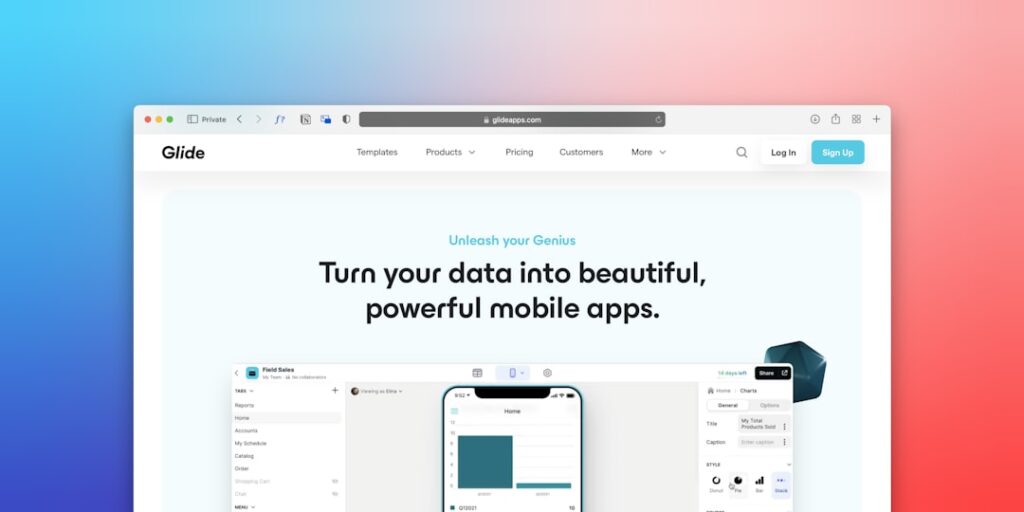
- Marketplaces & All-in-One Solutions: Platforms like Gumroad, Etsy (for certain templates), or Creative Market are excellent for getting started quickly. They handle payment processing, delivery, and often some marketing, but you’ll pay a commission and have less control over the user experience. Platforms like Podia also offer robust solutions for digital products, including e-books and templates, alongside courses.
- Social Selling: Tools integrated with platforms like Instagram or Pinterest can also facilitate direct sales, often linking back to your main store.
Consider ease of use, transaction fees, audience reach, and integration capabilities when making your decision.
Crafting Compelling Product Pages and Strategic Pricing
Your product page is your digital salesperson. It needs to be persuasive, informative, and visually engaging. Include high-quality mockups of your e-book cover or template in use. Write clear, benefit-driven descriptions that highlight how your product solves a problem or enhances the user’s life. Use bullet points for key features and benefits. Include testimonials if available.
Pricing your e-books and templates requires a balance. Don’t undervalue your work, but also be competitive. Research similar products in your niche. Consider value-based pricing (what’s the perceived value to the customer?), cost-plus pricing (your time + expenses), or tiered pricing (offering different versions at various price points). Bundling related products can also increase perceived value and average order value.
Ensuring a Seamless Purchase-to-Download Experience
The moment a customer decides to buy, the process must be flawless. Integrate reliable payment gateways like Stripe or PayPal that offer secure and diverse payment options. Crucially, your system must deliver the digital product instantly and automatically after purchase. This could be via an immediate download link on the thank-you page, an email with a secure link, or access through a customer portal. Clear instructions on how to access and use the product are also vital to prevent post-purchase confusion and support requests.
Igniting Demand: Mastering the Marketing & Promotion of Your E-books and Templates
Creating and setting up your digital products is only half the battle. To truly sell them, you need to actively tell the world they exist and why they’re indispensable. Effective marketing is about connecting your solution with the people who need it most.
Building an Audience and Driving Targeted Traffic
Before you